Beyond Instant Booking: How VenCome Verifies Every Space and Practitioner
VenCome Team
29 July 2026
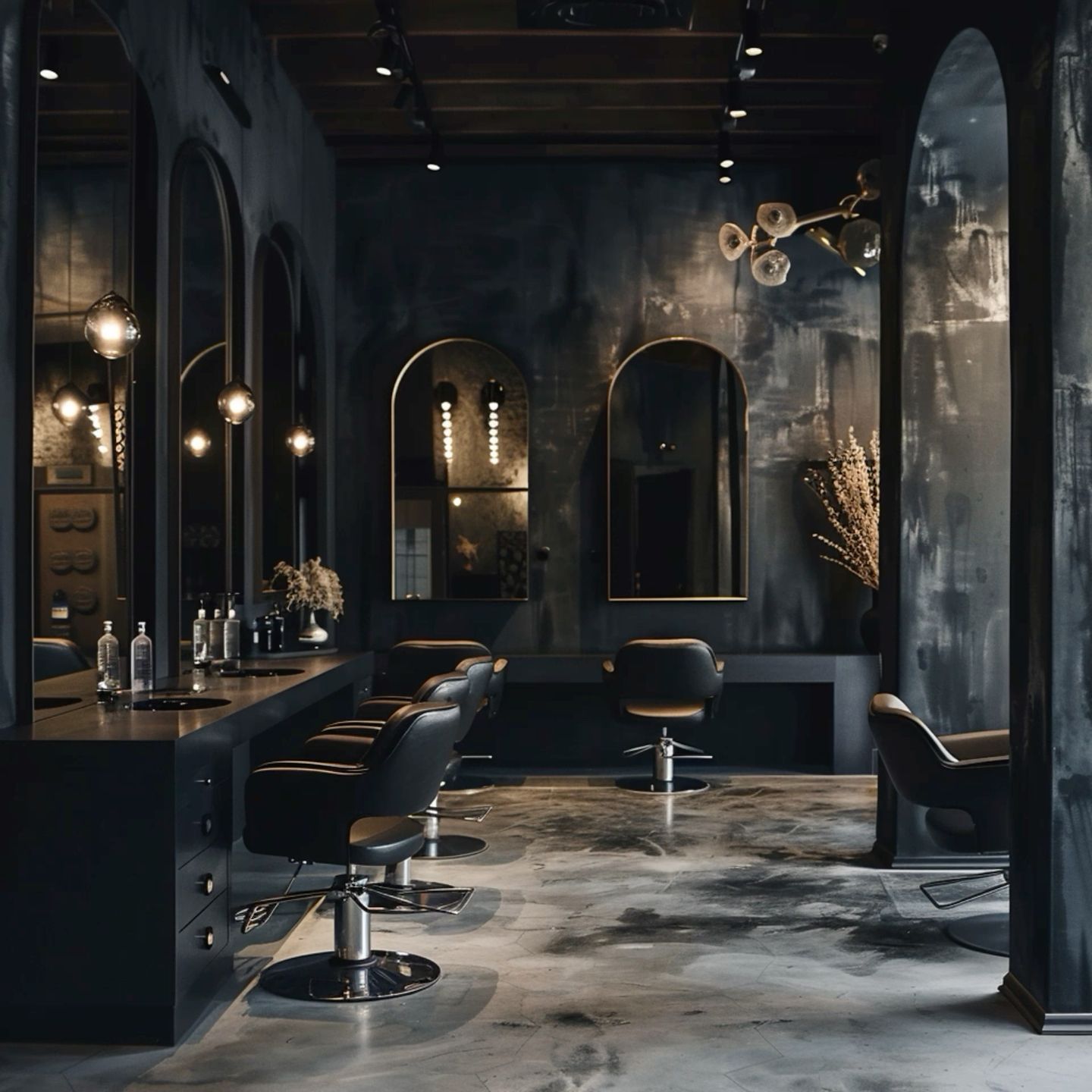
Booking a chair, room, or treatment space through VenCome doesn’t work quite like booking a flat on Airbnb. There’s a form, and a short wait for the host to confirm — not an instant, one-tap booking.
That’s not a feature we’re still building towards. It’s a deliberate design choice, and understanding why is the key to understanding what VenCome is actually built to solve: not just matching empty space with people who need it, but verifying that the person walking into that space is qualified, insured, and safe to be there — before the booking is ever confirmed.
The Comparison Everyone Makes (And Why It Breaks Down)
Airbnb solved a simple problem: matching empty space with people who need somewhere to sleep. The listing is the product. Once a host has enough reviews, a verified ID, and a track record of turning up as advertised, the platform can approve bookings on their behalf — that’s what Instant Book is. It didn’t launch with the platform. It was added years later, once there was enough historical data to make automated approval a safe bet.
Commercial space for beauty and wellness professionals looks similar on the surface — a room, a chair, a booking calendar — but the underlying risk is structurally different in ways that matter:
- The host’s business is running, not empty. A salon owner renting out a spare chair isn’t handing over an unoccupied flat. Their own clients, staff, and reputation are in that building at the same time as whoever books the space.
- The person booking isn’t just a guest — they’re a practitioner. A beauty or wellness professional working in someone else’s space needs valid insurance and, in some cases, specific qualifications or regulatory registration. Airbnb never had to ask “is this guest legally allowed to do the thing they’re planning to do in my property?” This market does, constantly.
- Some categories are formally regulated. Certain treatments and clinic activities fall under bodies like the Care Quality Commission (CQC) in England. A host offering that kind of room isn’t just picking a tenant — they’re implicitly vouching for who’s practising under their registration.
- A bad match doesn’t cost a weekend — it costs a reputation. If an Airbnb guest turns out to be a nightmare, the host loses a booking and maybe writes a bad review. If an unqualified or uninsured practitioner causes an incident in a salon or clinic, the damage lands on the host’s actual client relationships and professional standing, not just the transaction.
Put simply: Airbnb automated trust in a market where the listing itself carried almost all the risk. In this market, verifying the space isn’t enough — you have to verify the person practising in it. The risk sits in the practitioner’s qualifications, not just the room, and it’s the host’s business that absorbs the consequences if that isn’t checked. No algorithm can verify a qualification it’s never seen.
So Why Not Just Copy the Review System?
Reviews work when risk accumulates slowly and reveals itself over repeated transactions — a slightly messy guest, a noisy party, a late checkout. Reviews are backward-looking. They tell you what already happened.
Compliance doesn’t work that way. A missing insurance certificate or an expired CQC registration isn’t a bad experience waiting to be reviewed after the fact — it’s a legal exposure that exists the moment the booking is confirmed, whether or not anything goes wrong that day. You can’t crowdsource your way to compliance. You have to check it, once, before the risk is live.
That’s the actual reason request-to-book exists in this market, and it’s worth being direct about it rather than treating it as a limitation to apologise for: it is the correct architecture for a marketplace that hasn’t yet built the verification layer needed to automate approval safely.
The Real Fix Isn’t Slower Booking — It’s Verified Booking
The mistake is treating “instant” and “safe” as opposites that have to be traded off. They don’t have to be. The fix isn’t asking hosts to approve every booking by feel, forever. It’s moving verification from per-booking to per-profile — checked once, at onboarding, so every booking after that can clear fast because the person is already a known, verified entity.
This is what VenCome is building toward, in two phases.
Phase one — document upload and manual review. On the supply side, hosts offering regulated space (clinic rooms, for example) can require relevant documentation, such as CQC registration, before accepting a booking. On the demand side, professionals upload their own qualification and insurance documents to their profile once, rather than proving themselves separately to every host they book with. Early on, someone at VenCome reviews these documents manually. This isn’t a permanent solution — it’s the honest, cautious way to get compliant hosts and verified professionals onto the platform now, without waiting for automated infrastructure to be built first.
Phase two — automated verification at the source. The CQC maintains a public register that can be checked programmatically. Many professional bodies and insurers offer lookup tools or confirmation services for the same purpose. Once volume justifies the engineering investment, this is where the checking moves: a qualification or registration gets confirmed against the actual issuing body at the moment it’s uploaded, not by a person eyeballing a PDF. That’s what turns “someone reviewed this document” into “the system itself holds,” and it’s the point at which faster, more automated booking becomes possible without loosening the standard underneath it.
The sequencing matters. Manual review isn’t a workaround to hide — it’s the deliberate first stage of a system that’s designed to get more automated as it earns the data and volume to do so safely, in the same way Airbnb’s Instant Book was a late-stage feature, not a launch-day one.
Identity Trust vs. Operational Trust
It helps to separate two different questions that get bundled together under “trust”:
Is this person who they say they are, and are they qualified to do this work? This is identity and competence — solvable, cleanly, through verified documents and (eventually) automated register checks. Once solved at the profile level, it doesn’t need to be re-solved for every booking.
Does this specific booking actually fit what I need, right now? This is operational fit — the right space type, the right hours, the right first impression between two parties who haven’t worked together before. Document verification doesn’t fully answer this, and it isn’t supposed to. This is where matching, not verification, does the work.
Collapsing these into one generic idea of “trust” undersells what’s actually being solved. Verified documents remove the should I be worried about this person’s legitimacy question entirely. What’s left is a much smaller, much more solvable problem: fit.
Where AI Matching Fits In
Once identity and competence are handled by verification, the remaining question — does this space suit this professional’s actual practice — is a matching problem, not a compliance one. A future AI-assisted matching layer on VenCome is intended to work on top of verification, not instead of it: surfacing spaces that fit a professional’s treatment type, schedule, and client base, rather than asking users to filter through listings manually.
This is worth being precise about in public-facing material: matching improves relevance and speed of finding the right space. It does not replace, substitute for, or shortcut the compliance layer underneath it. The two solve different problems and should be described as separate features, not folded into one another.
Not Every Listing Needs the Same Check
One nuance that gets lost when people compare this space to Airbnb: not all beauty and wellness space carries the same regulatory weight. CQC registration applies to specific regulated healthcare activities — it isn’t a blanket requirement across every chair or room on the platform. A nail station and a room offering aesthetic injectables sit in genuinely different compliance tiers, with different documentation needs.
The honest model isn’t “every booking gets the same verification.” It’s a tiered approach: lighter-touch checks for lower-risk categories, and full regulatory verification for categories where it’s legally required. Presenting it as one-size-fits-all would be simpler to write about, but it wouldn’t be accurate — and accuracy is the actual point of building a compliance-first platform in the first place.
Why This Is a Differentiator, Not a Delay
General-purpose space rental platforms — the Tagvenues and HeadBoxes of the world — were never built to solve this problem, because most of what they list doesn’t need it. Undifferentiated commercial space (meeting rooms, event venues) doesn’t carry the same regulatory or reputational stakes as a treatment room or salon chair. That’s precisely why those platforms can run pure instant booking: there’s nothing underneath the listing that needs checking.
Beauty and wellness professional space is different — whether that’s a hairdressing chair, a nail station, a beauty treatment room, an aesthetics or clinic room, or a wellness space for massage and holistic therapies — and pretending otherwise doesn’t make the risk go away. It just moves it onto hosts and clients who have no way of seeing it coming. Building verified, compliance-aware booking for this specific market isn’t a workaround for not having instant book yet. It’s the feature competitors in adjacent categories structurally can’t offer, because their model was never designed to carry this kind of risk in the first place.
When faster booking arrives on VenCome, it won’t be a launch gimmick copied from a different market. It will be the visible result of a verification layer that’s already done the work underneath it — which is the only way instant booking should exist in a regulated professional space to begin with.
VenCome connects independent beauty and wellness professionals with hosts offering flexible commercial space across London, with compliance and verification built into the booking process from the start.
Find your perfect commercial space
Browse offices, studios, meeting rooms and more across the UK.
Browse Spaces